


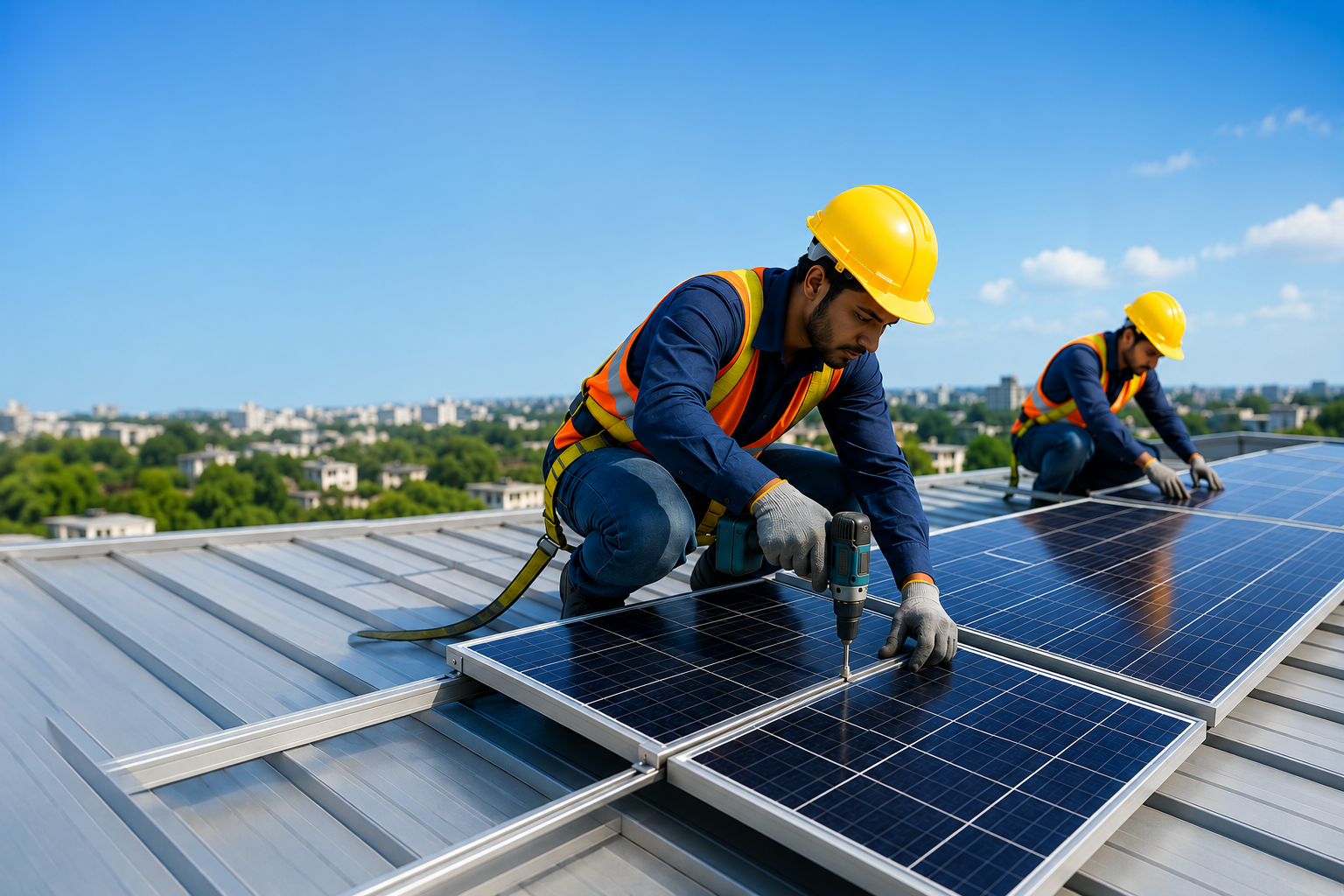

The solar energy industry is growing faster than ever. With increasing electricity costs, government incentives, and a strong push toward renewable energy, thousands of homes and businesses are switching to solar power every year. This rapid growth has created a huge demand for trained solar panel installation technicians.
If you've been searching for "solar panel installation training near me," you're already taking the first step toward a rewarding career in one of India's fastest-growing industries.
Whether you're a student, electrician, technician, engineer, or someone looking for a new career, solar installation training can provide the practical skills needed to enter this booming field.
Installing solar panels involves much more than placing modules on rooftops. Professional installers need knowledge of:
Proper training ensures installations are safe, efficient, and compliant with industry standards.
A quality training program covers both theoretical knowledge and practical experience.
Students learn:
Training includes:
Students become familiar with:
Before installation, technicians must inspect the location.
Training teaches:
Hands-on practical sessions include:
Safety training covers:
Students learn how to:
Maintenance topics include:
Professional training offers several advantages.
The renewable energy sector continues to create thousands of new jobs every year.
Certified solar technicians often earn higher salaries than untrained workers.
Hands-on training improves confidence during real-world installations.
Most institutes provide certificates that improve employment opportunities.
Experienced technicians can become:
Most institutes accept:
No prior solar experience is required for beginner courses.
Training programs vary depending on the institute.
Common durations include:
| Course Type | Duration |
|---|---|
| Basic Training | 3–7 Days |
| Practical Workshop | 1–2 Weeks |
| Professional Course | 1 Month |
| Advanced Technician Course | 2–3 Months |
Good institutes provide practical exposure such as:
Hands-on learning is one of the most important aspects of becoming job-ready.
Training fees vary by institute and location.
Typical fee ranges:
| Course Level | Approximate Fees |
|---|---|
| Basic Course | ₹5,000 – ₹10,000 |
| Professional Course | ₹10,000 – ₹25,000 |
| Advanced Course | ₹25,000 – ₹50,000 |
Some institutes also offer installment payment options.
After completing the course, candidates can work as:
Many industries recruit trained professionals, including:
Salary depends on skills and experience.
| Experience | Monthly Salary |
|---|---|
| Fresher | ₹15,000–₹25,000 |
| 2–3 Years | ₹25,000–₹40,000 |
| Experienced | ₹40,000–₹70,000+ |
Freelancers and business owners may earn significantly more depending on the number and size of projects completed.
Successful technicians possess:
Professional institutes provide:
Before enrolling, consider the following:
Choosing a reputable training center can improve your learning experience and job prospects.
India has set ambitious renewable energy targets, making solar power one of the country's fastest-growing industries. As residential, commercial, and industrial solar installations increase, the demand for skilled installers is expected to remain strong.
Government initiatives, rooftop solar programs, and corporate sustainability goals continue to drive opportunities for trained professionals across the country.
If you're searching for solar panel installation training near me, now is an excellent time to build a career in the renewable energy sector. A quality training program equips you with the technical knowledge, practical experience, and industry certification needed to succeed in solar installation and maintenance.
Whether you aim to secure a job with a leading solar company, work as a freelance installer, or start your own solar business, professional training is the foundation for long-term success. Invest in your skills today and become part of India's growing clean energy workforce.
Anyone who has completed 10th or 12th grade, ITI graduates, diploma holders, electricians, engineers, and working professionals can enroll in most beginner-level courses.
Courses typically range from 3 days to 3 months, depending on the level and practical components.
Yes. Most professional institutes include hands-on training in panel mounting, wiring, inverter installation, testing, and maintenance.
Freshers generally earn ₹15,000–₹25,000 per month, while experienced technicians can earn ₹40,000–₹70,000+ per month.
Yes. A recognized certification enhances your credibility and improves your chances of securing employment with reputable solar companies.