


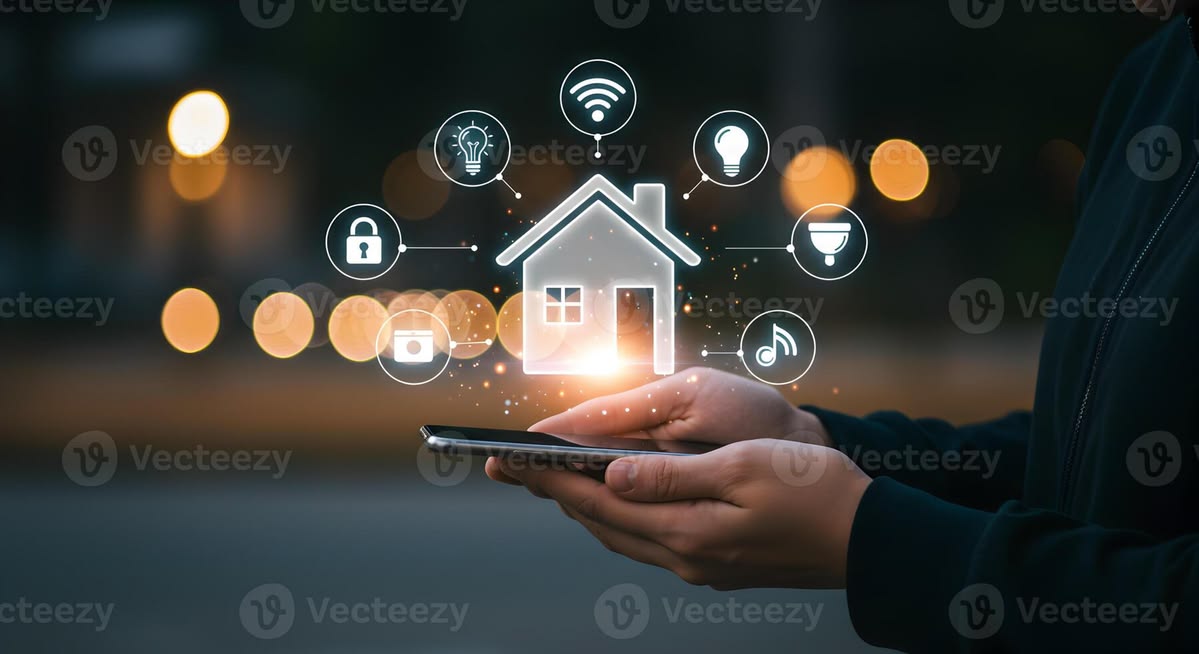

Smart home automation is transforming the way people live by making everyday household tasks easier, faster, and more convenient. From controlling lights and appliances to monitoring security cameras remotely, smart technology allows homeowners to manage different aspects of their homes through smartphones, voice assistants, and automated systems.
As technology continues to advance, smart home automation is becoming increasingly popular among homeowners who want better comfort, security, energy efficiency, and control.
Smart home automation is the use of connected devices and intelligent systems to automatically control various functions in a home. These systems can connect devices such as lights, fans, air conditioners, smart locks, cameras, curtains, and entertainment systems.
Homeowners can control these devices using a smartphone, tablet, voice commands, sensors, or a centralized automation system. Some devices can also work automatically based on schedules, motion detection, temperature, or other predefined conditions.
A smart home automation system connects different devices through a home network. These devices communicate with a central hub, mobile application, or cloud-based platform.
For example, you can set your lights to turn on automatically when motion is detected or program your air conditioner to switch off when nobody is at home. Smart sensors and connected devices help create an automated environment that responds to your needs.
One of the biggest advantages of smart home automation is convenience. You can control multiple devices from a single smartphone or voice assistant without manually operating every appliance.
You can turn lights on or off, adjust the temperature, close curtains, or control entertainment systems with just a few commands.
Smart security devices can help homeowners monitor their properties more effectively. Smart cameras, video doorbells, motion sensors, and smart locks can provide real-time notifications and remote access.
For instance, you can check your security camera while you are away from home or receive an alert when unusual movement is detected.
Smart home automation can help reduce unnecessary energy consumption. Automated lights, thermostats, and appliances can be programmed to operate only when needed.
Motion sensors can turn lights off when a room is empty, while smart thermostats can adjust temperatures based on occupancy and schedules. This can help homeowners manage energy usage more efficiently.
Smart home systems allow you to control your home even when you are away. Using a smartphone application, you can check connected devices and perform different actions remotely.
For example, you can switch off an appliance you forgot to turn off or check whether your doors are locked while travelling.
Smart home automation allows homeowners to create customized routines. You can create different settings for mornings, evenings, movie nights, or when leaving the house.
A single command can activate multiple devices at the same time, creating a personalized and comfortable living environment.
A modern smart home can include a wide range of connected devices, such as:
The right combination of devices depends on your home's requirements, budget, and lifestyle.
Smart home automation is not limited to luxury properties. Today, homeowners can start with simple smart devices and gradually expand their systems.
For example, you can begin with smart lights and switches and later add security cameras, smart locks, sensors, curtains, and entertainment controls. A properly planned system can provide a seamless experience while improving comfort and efficiency.
Professional installation can help ensure that all devices work together properly. Experts can understand your home's layout, electrical requirements, security needs, and lifestyle before designing an automation system.
A professional smart home automation solution can also provide better integration, reliable performance, proper installation, and future scalability.
The future of smart homes is expected to become even more intelligent as artificial intelligence, machine learning, sensors, and connected devices continue to develop.
Future systems may better understand user habits and automatically adjust lighting, temperature, security, and other home functions according to individual preferences.
Smart home automation offers a practical way to make modern homes more comfortable, secure, energy-efficient, and convenient. From smart lighting and security cameras to automated appliances and climate control, connected technology can simplify everyday life.
Whether you want basic automation or a complete smart home system, starting with the right devices and professional planning can help you create a smarter and more efficient home.