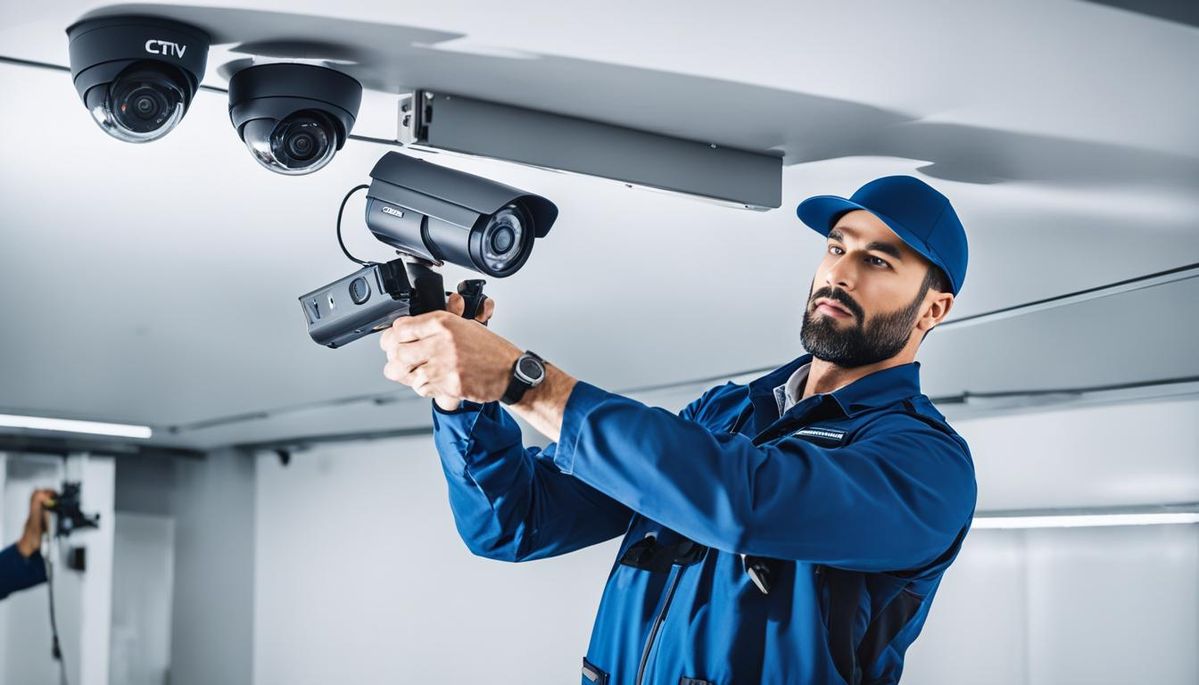
CCTV Training Institute: Build a Career in CCTV Installation and Security Systems
If you are looking for a practical career in the security and surveillance industry, joining a CCTV training institute can be a smart choice. CCTV systems are widely used in homes, offices, shops, schools, hospitals, factories, and other commercial spaces. As demand for security solutions continues to grow, trained CCTV technicians are needed to install, configure, maintain, and troubleshoot surveillance systems.
What Is a CCTV Training Institute?
A CCTV training institute provides practical and theoretical training in surveillance technology. Students learn how different CCTV cameras work, how to install them correctly, configure recording systems, and troubleshoot common technical problems.
A good course generally focuses on hands-on learning so that students can understand real-world installation and maintenance work rather than relying only on classroom theory.
Why Choose CCTV Training?
CCTV technology has become an important part of modern security systems. Businesses and residential properties increasingly depend on surveillance cameras to monitor their surroundings and improve safety.
CCTV training can help you:
Learn professional camera installation
Understand different CCTV technologies
Develop troubleshooting skills
Gain practical experience with surveillance equipment
Learn DVR and NVR configuration
Understand networking fundamentals
Explore career opportunities in security systems
What Will You Learn in a CCTV Course?
A comprehensive CCTV course usually covers the essential skills required to work as a CCTV technician.
1. CCTV Camera Basics
You can learn about different types of surveillance cameras, their features, applications, and suitable installation locations. Training may include dome cameras, bullet cameras, IP cameras, PTZ cameras, and other commonly used systems.
2. CCTV Installation
Proper installation is essential for getting clear and reliable surveillance footage. Students learn how to position cameras, select suitable mounting locations, connect cables, and install supporting equipment.
3. DVR and NVR Configuration
DVR and NVR systems are used to record and manage CCTV footage. Training helps students understand how to connect cameras, configure recording settings, manage storage, and access recorded videos.
4. IP CCTV and Networking
Modern surveillance systems increasingly use network technology. A CCTV training institute may teach basic networking concepts such as IP addresses, routers, switches, network cables, and remote camera access.
5. CCTV Troubleshooting
Technicians often need to identify and fix issues such as no video, poor image quality, connection problems, recording failures, and network-related errors. Practical troubleshooting training can help students handle these situations confidently.
Who Can Join a CCTV Training Course?
CCTV training can be suitable for beginners as well as people who already have a technical background. Students, electricians, IT technicians, electronic technicians, and individuals interested in security technology can consider learning CCTV installation and maintenance.
You generally don't need advanced technical knowledge to start. A willingness to learn and an interest in practical work can be enough to begin.
Career Opportunities After CCTV Training
After completing training, you can explore different roles within the security and surveillance industry, such as:
CCTV Installation Technician
CCTV Service Technician
Surveillance System Technician
Security System Technician
CCTV Maintenance Technician
IP Camera Technician
With experience, technicians can also take up independent installation and maintenance projects or develop their own security-system service business.
How to Choose the Right CCTV Training Institute
Choosing the right CCTV training institute is important if you want practical skills that can be applied in real projects. Before enrolling, consider factors such as:
Practical hands-on training
Experienced trainers
Updated CCTV equipment
Training in both analog and IP CCTV
DVR and NVR configuration
Networking fundamentals
Troubleshooting sessions
Course duration and syllabus
Certification or course completion recognition
Placement or career guidance, if offered
Start Your CCTV Career With Practical Skills
CCTV technology is continuously developing, making technical knowledge increasingly valuable in the security industry. A well-structured CCTV training institute can help you understand surveillance systems from installation to troubleshooting and give you practical skills for entering the field.
If you are interested in electronics, networking, and security technology, CCTV training can be a useful step toward building a career as a professional CCTV technician.