


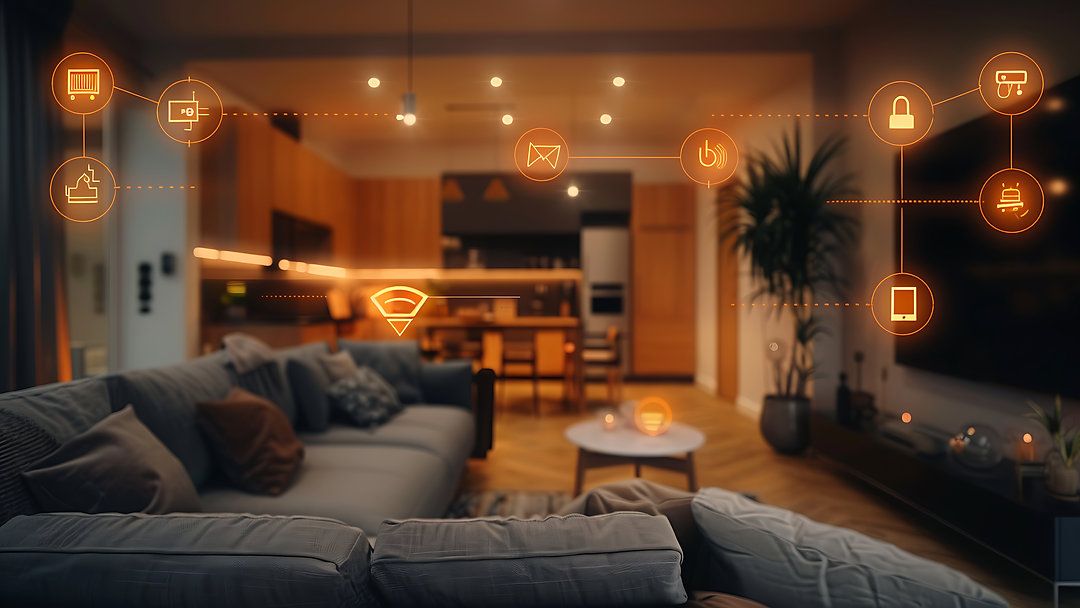

Imagine coming home after a long day and having the lights turn on automatically, the curtains open, and the air conditioner adjust to a comfortable temperature without touching a switch. This is what modern home automation can offer.
As smart home technology becomes more accessible, more homeowners are looking for reliable automation solutions. However, with so many providers in the market, finding the right option can be confusing. If you are searching for the top home automation companies, it is important to look beyond just the price and understand what each provider actually offers.
Home automation connects different electrical and electronic devices in your home so they can work together and be controlled automatically.
Depending on the system you choose, you may be able to control:
These devices can usually be operated through a smartphone, remote control, voice commands, sensors, or pre-set schedules.
The popularity of smart homes is not only about having the latest technology. People are choosing automation because it can make everyday tasks easier.
For example, you can switch off all the lights before going to bed with a single command. You can check your security cameras while travelling or schedule your outdoor lights to turn on automatically in the evening.
For busy families, these small conveniences can make a noticeable difference in daily life.
When comparing the top home automation companies, it is easy to focus on features and forget about the quality of service. A good automation provider should understand your home and recommend a solution based on your actual requirements.
Here are some important things to check before making a decision.
First, look at the types of automation offered. A provider that handles lighting, security, climate control, curtains, entertainment, and other systems can make it easier to build a complete smart home.
You should also consider whether you can add more devices later.
Smart technology should make life simpler, not more complicated.
Check whether the system has an easy-to-use mobile application or control interface. Voice control and customized scenes can also make everyday operation more convenient.
Not every smart device works with every automation platform. Before buying anything, check whether the system supports the devices you already own or may purchase in the future.
Good compatibility can save you from replacing your existing equipment unnecessarily.
Installation is an important part of home automation. Poor wiring, incorrect configuration, or badly positioned sensors can affect the performance of the entire system.
A professional installation team can help ensure that the devices are properly connected, configured, and tested.
Home automation should not compromise your privacy or security. If your system connects cameras, smart locks, sensors, or other security devices to the internet, security should be a major consideration.
Ask about access controls, software updates, data protection, and how remote access is handled.
Even the best technology may occasionally require troubleshooting. Reliable customer support can make a big difference when you need assistance with installation, software, connectivity, or future upgrades.
Before choosing a provider, find out what kind of maintenance and after-sales support is available.
Home automation can be as simple or advanced as you want.
Smart lighting is one of the easiest ways to start automating your home. You can control brightness, create schedules, or turn lights on and off remotely.
Security automation can include cameras, smart locks, motion detectors, alarms, and video doorbells. These features can help you keep an eye on your property even when you are away.
Motorized curtains allow you to open or close curtains using a switch, smartphone, voice command, or scheduled automation.
Connected air-conditioning and temperature-control systems can help maintain comfortable indoor conditions while giving homeowners more control over energy usage.
Automation can also bring televisions, speakers, projectors, and other entertainment equipment together. With the right setup, you can create a dedicated movie or music scene with a single command.
One decision homeowners often face is whether to choose wired or wireless automation.
Wired automation is often considered during the construction or renovation stage because wiring can be incorporated into the electrical design.
Wireless automation can be convenient for existing homes because many devices can be installed without extensive structural changes.
There is also a hybrid approach that combines both technologies. The best choice depends on your home, budget, existing wiring, and long-term plans.
The cost of home automation can vary considerably. A basic setup involving a few smart lights and switches will naturally cost less than a complete system covering security, lighting, curtains, climate control, and entertainment.
The final price can depend on:
Instead of choosing the cheapest option, consider the overall value, reliability, scalability, and support provided by the company.
Before selecting from the top home automation companies, ask the provider a few practical questions:
Getting clear answers to these questions can help you avoid unexpected problems later.
For many homeowners, automation is valuable because it combines convenience, security, and control in one system. You do not necessarily need to automate your entire house from day one.
Starting with a few useful features—such as smart lighting, security cameras, or smart locks—and expanding gradually can be a practical approach.
The key is to choose technology that solves real problems rather than installing smart devices simply because they are available.
Finding the right option among the top home automation companies is ultimately about choosing a system that fits your lifestyle, home, and budget.
Look for reliable technology, easy controls, good compatibility, professional installation, strong security, and dependable customer support. A well-planned smart home should make your daily routine easier and give you greater control over your living space.
Whether you are building a new property or upgrading your existing home, taking the time to compare your options can help you create a smart home that is practical, comfortable, and ready for the future.